Belgium’s postal strike has now stretched into several weeks, leaving Brussels and much of Wallonia without regular deliveries, with millions of letters and parcels stuck in blocked distribution centres.
The strike began at the end of March and has intensified through April, evolving into one of the most disruptive labour actions Bpost has faced in years. In Brussels, every distribution centre has been blocked for more than a week, preventing any post or parcels from entering or leaving the network. In Wallonia, delivery rates have fluctuated between 12% and 45%, depending on the day, while Flanders has remained largely operational, with more than 90% of rounds continuing as normal.
At the heart of the dispute is Bpost’s plan to overhaul working hours and reorganise delivery routes to prioritise the booming parcel market. Management argues the shift is essential to keep the company financially viable, especially after losing the state contract for newspaper distribution and facing a long-term decline in traditional mail volumes. Workers, however, say the changes would push their schedules back by up to two hours, increase physical strain, and fundamentally alter the nature of their job without adequate compensation. Union representatives describe negotiations as “deadlocked,” accusing management of refusing to compromise and sweeping aside alternative proposals.
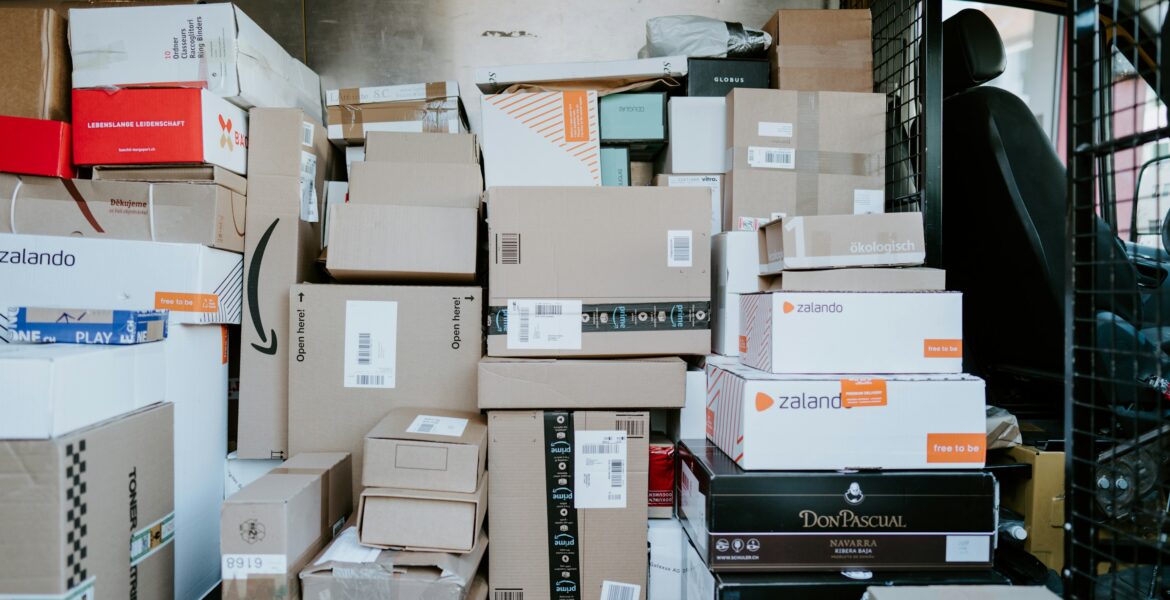
For people expecting deliveries, the implications are immediate and severe. Hundreds of thousands of parcels and millions of letters are currently stuck in the system, with Bpost confirming that in Brussels and Wallonia, parcels are “blocked in our network and processing is temporarily suspended.” Even when postal workers show up for duty, many cannot deliver because the items never reach their local offices. Return parcels have also been affected: Bpost temporarily stopped collecting them from pick‑up points, leading to storage problems in newsagents and parcel shops.
The protests themselves have been highly visible. Workers have mounted full blockades at major sorting centres in Liège, Charleroi, and Brussels, preventing lorries from entering or exiting. Pickets have remained in place day and night, with some sites—such as Brussels‑North and Schaerbeek—completely sealed off. Bpost has even deployed bailiffs to document and, where possible, remove blockades, though with limited success. Union leaders insist the blockades will continue until management offers meaningful concessions.
Politically, the strike has drawn the attention of federal ministers. Vanessa Matz, responsible for state‑owned enterprises, has intervened repeatedly, urging both sides back to the table and calling for a social mediator to restart dialogue. But with talks repeatedly collapsing and no joint negotiations scheduled for days at a time, the prospect of a quick resolution remains uncertain.
For now, Belgium’s postal system is effectively split in two: a largely functional Flanders and a paralysed Brussels‑Wallonia axis. Until an agreement is reached, residents in the capital should expect continued delays, suspended parcel processing, and no regular home deliveries—a disruption that underscores the scale of the standoff and the stakes for both workers and management.
Bpost was asked for comment and provided the following: “Your information is not correct. Yes, their schedules will be pushed back, in order to adapt our working methods to current customer demands.
The change we demand does not increase physical strain, but yes, there is a fundamental change going on in all post operators in Europe: there is less paper mail and more parcels, so the job is changing.
without adequate compensation is not correct, we have given a number of guarantees.
Call us for more information, because trying to put our situation in 1 sentence is a bit brutal.”
The EU Political Report has asked Bpost to provide more information about the guarantees has assured them that they were not limited to one sentence, but had not heard back at the time of publication.