The European Parliament’s Industry, Research and Energy Committee has fired the starting gun on one of the most consequential energy reforms of the decade, voting through an overhaul of the EU’s trans‑European energy infrastructure rules. The update to the TEN‑E regulation is more than a technical adjustment to planning procedures; it is a political intervention aimed at lowering energy prices, strengthening security of supply, and accelerating the shift to climate neutrality. After years of crisis‑driven policymaking, MEPs are signalling that Europe’s energy backbone must be redesigned with purpose, speed and strategic clarity.
At the heart of the reform is a push for smarter, more coordinated planning. The European Commission will take on a stronger role in shaping a common energy scenario, ensuring that decisions on pipelines, cables and hydrogen corridors are grounded in shared data rather than fragmented national assumptions. This shift reflects a political reality: the energy transition cannot succeed if Member States continue to plan infrastructure in isolation. The inclusion of systematic gap‑analysis tools for electricity and hydrogen networks marks a deliberate move towards a more anticipatory, rather than reactive, approach to investment.
The political stakes are clearest in the committee’s insistence on price stability. MEPs argue that deeper market integration, enabled by modern grids and cross‑border connections, is essential to bring down costs for households and businesses. After years of volatility, the message is unmistakable: infrastructure is not just a climate tool, but a social one. The amendments push authorities to consider whether existing networks can be optimised before approving new physical assets, reflecting a growing belief that digitalisation, demand‑side flexibility and smarter grid management can deliver faster and cheaper gains than traditional construction.
Lead MEP Tsvetelina Penkova framed the reform as a democratic upgrade to Europe’s energy governance. Her emphasis on transparency, accountability and independent scrutiny by ACER speaks to a broader political tension: citizens increasingly expect the energy transition to be both fair and evidence‑based. Penkova’s argument that the new rules will help reduce electricity price disparities between regions taps into a long‑standing frustration that geography still determines energy affordability in the single market. The committee’s vote suggests that Parliament is prepared to challenge this imbalance head‑on.
The political dynamics behind the reform are equally revealing. The centre‑left and liberal groups have championed the overhaul as a way to align infrastructure planning with Europe’s climate and competitiveness goals. The Greens have pushed for stronger safeguards to ensure that net‑zero technologies are prioritised and that climate adaptation becomes a core criterion for future projects. More sceptical voices on the right warn that expanding the Commission’s role risks over‑centralisation, but the committee’s strong majority, 56 votes to 10, shows that momentum is firmly behind a more integrated European approach.
The decision to expand the list of priority infrastructure to include digitalisation equipment, monitoring systems and climate‑resilience installations reflects a strategic shift in how Europe understands energy security. It is no longer defined solely by physical supply routes but by the robustness, intelligence and adaptability of the networks themselves. In an era of extreme weather, cyber threats and geopolitical instability, this broadened definition is politically significant.
With committee MEPs voting to open negotiations with the Council, the next phase will test how far member states are willing to go in ceding strategic planning authority to the European level. The backdrop is clear: meeting the 2030 interconnection targets is essential for completing the energy union, yet cross‑border projects have long been plagued by slow permitting, uneven investment and governance bottlenecks. The Commission’s grids package, published in December 2025, was a warning shot; Parliament’s vote turns that warning into legislative momentum.
Europe’s energy future will depend on whether this reform can translate ambition into implementation. The political message from Parliament is unmistakable: the Union cannot afford another decade of fragmented planning, price disparities and infrastructure inertia. The TEN‑E overhaul is an attempt to rewrite the rules of the game—and to ensure that Europe’s energy transition is not only greener, but fairer, faster and more strategically coherent.
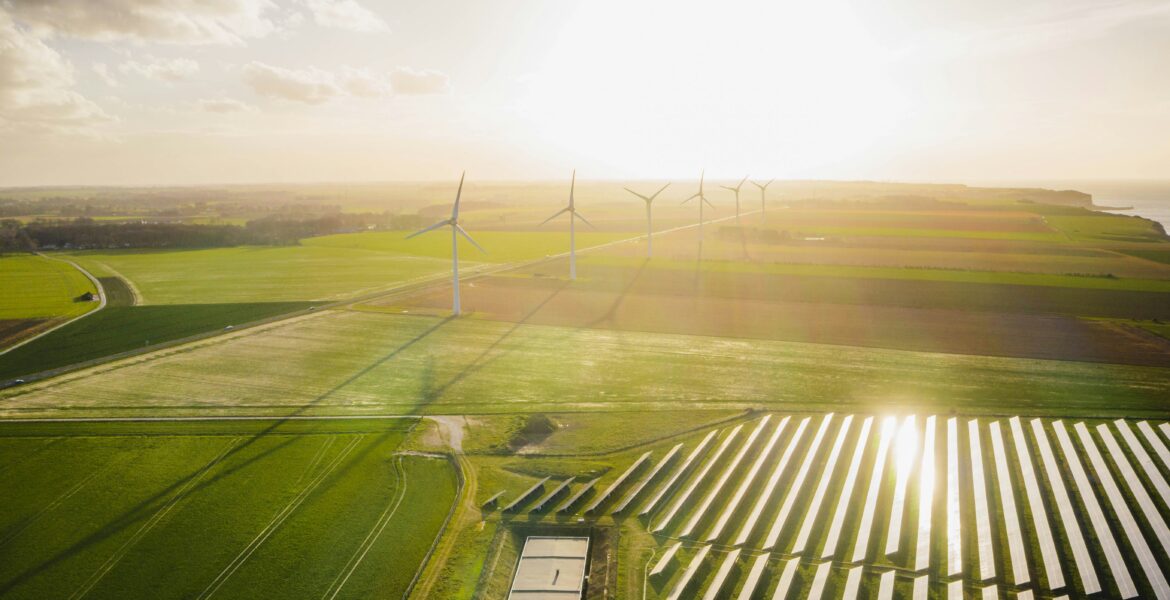
Image credit: Benoît Deschasaux on Unsplash.