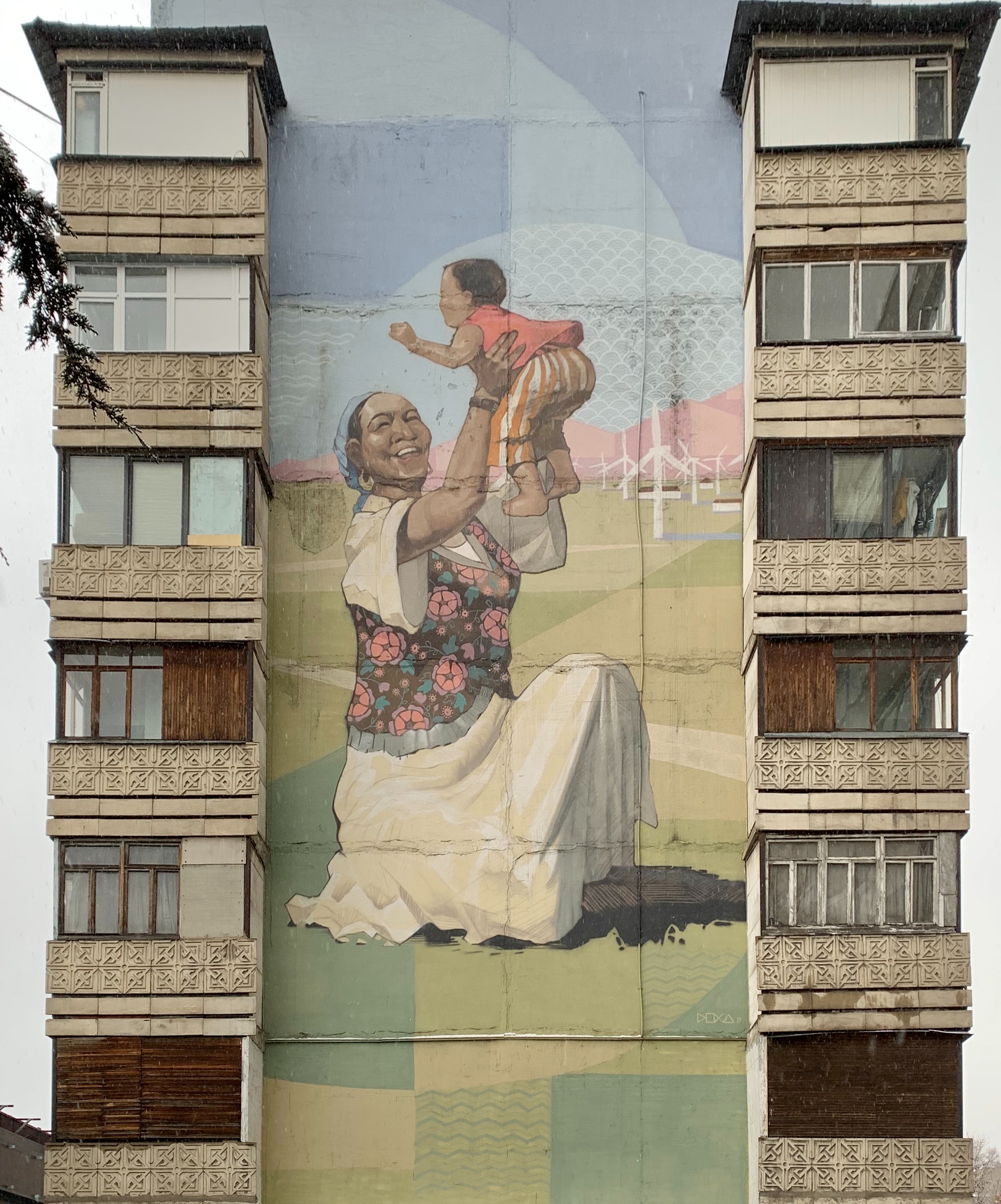

Photo by Ozodbek Erkinov on Unsplash
According to the U.S. Commission on International Religious Freedom (USCIRF), Uzbekistan should be added to the U.S. State Department’s Special Watch List for engaging in systematic violations of religious freedom.
The recommendation comes in the commission’s latest reporting, which highlights an array of laws and administrative practices that it says punish peaceful religious activity and restrict communities across the country. Religious freedom conditions in Uzbekistan further deteriorated in 2024, the report concluded, pointing to a tightening of laws, the expansion of administrative penalties, and continued harassment of believers.
USCIRF, a bipartisan body established by the U.S Congress, monitors religious freedom worldwide and advises the U.S President, Secretary of State, and lawmakers. Its assessment of Uzbekistan in 2024 depicts a government using fines, detentions, censorship, and bureaucratic obstacles to control religious expression.
The commission, in its report dated 22 September, noted that Uzbek authorities drew heavily on provisions of the Administrative Code to issue penalties throughout the year. Courts fined individuals for leading unregistered prayers, distributing religious literature, or providing instruction without government approval. In one high-profile case, it says two Jehovah’s Witnesses in Tashkent were fined nearly $3,200 for sharing their beliefs with others. In August alone, it adds more than 100 people across the country were penalized for conducting unauthorized lessons, including one man sentenced to 15 days’ detention for teaching on social media.
Beyond financial penalties, officials extended restrictions to personal appearance. A 2023 amendment to the Administrative Code banning the concealment of identity in public was used in 2024 to justify beard raids in Tashkent, where men were detained and forced to shave, says the report. Courts, it adds, also fined women for wearing face coverings, and even musicians faced consequences: a singer was barred from television for having a beard.
These actions, USCIRF said, fit into a wider pattern of state interference. USCIRF says The Muslim Board of Uzbekistan, closely aligned with the government, ordered imams to hand over their passports in April and later instructed them to refrain from using social media. The Committee on Religious Affairs, meanwhile, maintained a list of banned websites and warned citizens that engaging with unauthorized religious content online could lead to serious punishment.
The restrictions, the USCIRF goes on to say, were not confined to majority Muslim communities. Protestant churches and Jehovah’s Witnesses continued to face refusals when applying for registration, blocking them from legally operating. USCIRF said that members of unregistered churches were harassed by security officials, including being accused of extremism and pressured to inform on fellow congregants.
In addition to administrative actions, Prime Minister Abdulla Aripov ordered the demolition of more than 400 unregistered mosques and prayer spaces in June, threatening to convert them for commercial use, says USCIRF. While no demolitions were ultimately reported, the order underscored the precarious status of religious communities unable to secure state registration. One mosque in Tashkent, closed since 2007, has remained shut despite repeated efforts by its congregation to reopen.
USCIRF documented more than 50 individuals still imprisoned on what it described as vague charges tied to peaceful religious activity. The commission said these cases demonstrate how Uzbekistan’s counter-extremism framework is used to suppress lawful religious practice.
President Shavkat Mirziyoyev defended the government’s stance in a June address, warning that “various forces in the world are trying to destroy the essence of religion and lead young people astray from the true path.”
Uzbekistan is predominantly Muslim, with between 88 and 96 percent of its 36 million citizens identifying as such, predominantly as Hanafi Sunnis. Smaller communities include Shi’a Muslims, Russian Orthodox Christians, Protestants, Catholics, Jews, Jehovah’s Witnesses, Buddhists, Baha’is, atheists, and members of the International Society of Krishna Consciousness. USCIRF said that despite this diversity, the country’s legal framework and enforcement practices ensure that almost no group escapes scrutiny.
The commission recommended not only that Uzbekistan be placed on the Special Watch List but also that the U.S. government consider targeted sanctions against officials responsible for repeated arrests of religious believers. It urged Washington to raise religious freedom consistently in meetings with Central Asian governments, including within the C5+1 dialogue.
For Congress, USCIRF suggested raising Uzbekistan’s record in delegation visits and hearings, as well as suspending the government’s annual “Uzbekistan Day” event on Capitol Hill until all prisoners jailed for peaceful religious activity are freed.
The commission said these steps are necessary because the situation shows no sign of improvement.
No-one from the Uzbekistan government was immediately available for comment.