© Photo by Planet Volumes on Unsplash
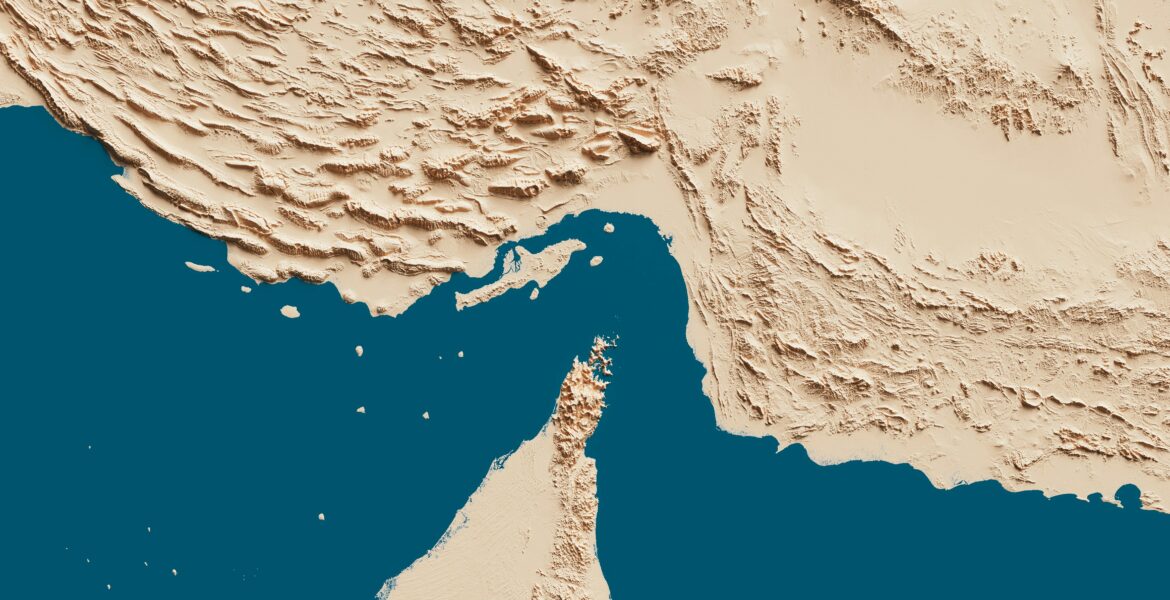
The crisis in the Strait of Hormuz has entered a far more dangerous and economically disruptive phase than when tensions first flared, leaving Europe exposed to a shock that is now reshaping global energy markets. The near‑closure of the strait following U.S. and Israeli strikes on Iran, and Tehran’s retaliatory attacks on Gulf energy infrastructure, has removed an estimated 11 million barrels per day from global supply, according to recent assessments, pushing Brent crude to around $119 per barrel, up from roughly $70 before the conflict began. The European Union estimates that gas prices have risen 70% and oil 50%, adding an extra €13 billion to the bloc’s fossil‑fuel import bill.
The escalation has been driven by a series of confrontations that have made the strait one of the most volatile flashpoints in global geopolitics. U.S. forces have seized Iranian vessels, ceasefire talks have repeatedly collapsed, and Tehran has fired on commercial tankers attempting to navigate the waterway. An Indian‑flagged supertanker was among those forced to turn back under fire, underscoring the risks for global shipping. Each incident has triggered immediate price spikes, while even brief diplomatic openings have offered only temporary relief. During a recent ten‑day ceasefire, when Iran allowed limited passage along its coastline, Brent crude fell by more than 9% to around $90, and European gas prices dropped by up to 10%. But analysts warned that the partial reopening did not restore normal flows, and the market quickly corrected once tensions resumed.
President Donald Trump’s rhetoric has added further instability. His repeated insistence that U.S. allies should “go get your own oil” has strained transatlantic relations and placed Europe in a politically uncomfortable position. EU leaders have been clear that they do not intend to become militarily involved, with High Representative Kaja Kallas reiterating that “this is not Europe’s war.” The divergence has left European capitals managing the economic fallout while avoiding entanglement in a conflict they neither control nor wish to escalate.
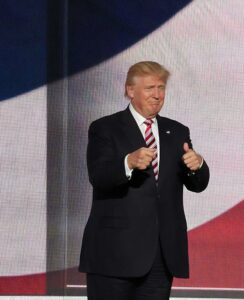
© Photo by History in HD on Unsplash
Within the EU institutions, the response has shifted from caution to urgency. The European Commission has warned that the crisis exposes once again the bloc’s vulnerability to external shocks, noting that Europe has already paid an additional €24 billion for fossil‑fuel imports since the conflict began. In response, it has unveiled the AccelerateEU package, a set of measures aimed at reducing dependence on volatile fossil‑fuel markets. These include deeper coordination on gas storage, targeted temporary subsidies, and reinforced incentives for electrification and cross‑border grid interconnection. While non‑binding, the package signals a renewed push toward long‑term strategic autonomy.
The European Parliament has pressed the Commission on whether it has a coordinated strategy to safeguard freedom of navigation and limit inflationary pressures, highlighting the risks to households, businesses and energy‑intensive industries. Member States, meanwhile, are assessing emergency measures, including demand‑curbing options and the use of strategic reserves, as Europe competes with Asian buyers for non‑Qatari LNG amid global supply constraints.
For European consumers, the consequences are immediate and painful. Higher oil prices are feeding directly into transport and heating costs, with inflationary pressure expected to persist as long as the strait remains unstable. Farmers face rising diesel and fertiliser prices, compounding already tight margins. Food processors and manufacturers, heavily reliant on energy‑intensive operations, are bracing for further cost increases that may ultimately be passed on to consumers.
Producers across Europe remain exposed to extreme volatility. Even temporary dips in oil prices offer little reassurance, as markets react sharply to every military manoeuvre or diplomatic setback in the Gulf. With no durable agreement between Washington and Tehran in sight, Europe finds itself once again at the mercy of geopolitical forces beyond its control—an uncomfortable reminder of the strategic urgency of building a more resilient, autonomous energy system.
– by Siobhan Dillon, Editor-in-Chief