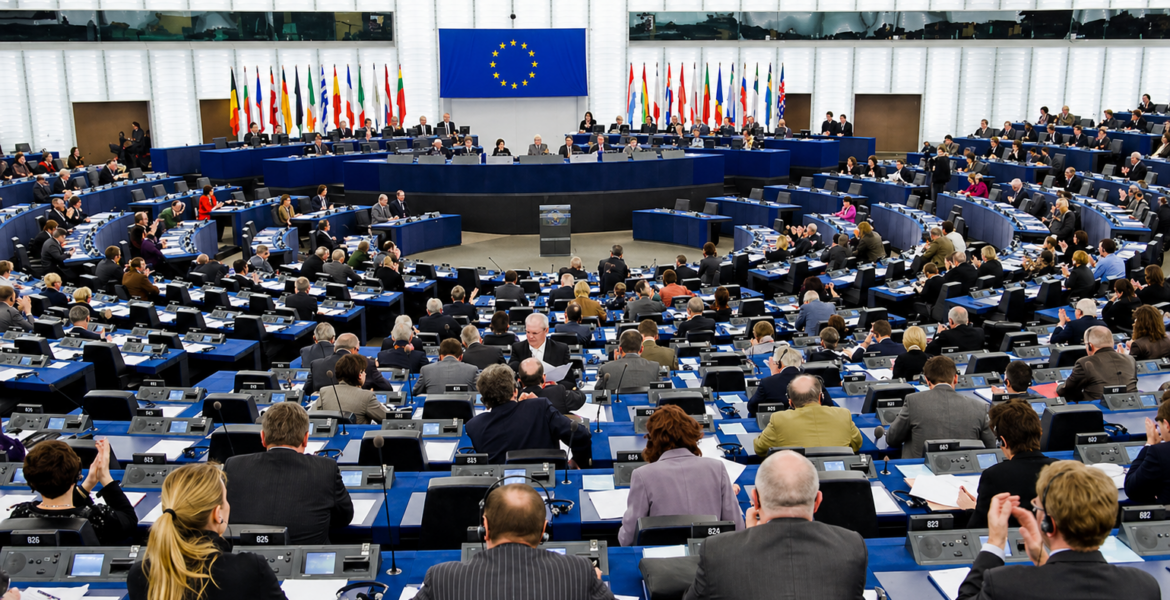
The upcoming plenary session of the European Parliament in Strasbourg, taking place from 27 to 30 April 2026, arrives at a pivotal moment for the Union’s political direction. The agenda published for the sitting outlines a week dominated by debates on the EU’s longterm budget, fundamental rights, trade policy and animal welfare, each carrying implications that extend well beyond the chamber. With the Parliament now firmly in the second half of its mandate, the choices made in Strasbourg will help define the Union’s priorities as it moves toward the next institutional cycle.
At the centre of the week lies the Parliament’s position on the 2028–2034 Multiannual Financial Framework. The longterm budget is always a defining political moment, but this year the stakes are particularly high. The Union faces simultaneous pressures: the need to strengthen defence capabilities, the ongoing demands of the green and digital transitions, and the persistent challenge of maintaining cohesion across regions and Member States. Political groups have spent weeks preparing their negotiating lines. Centrist and centreleft MEPs are expected to argue for reinforced investment in climate action, competitiveness and social programmes, while conservative and rightleaning groups are likely to emphasise fiscal restraint, border management and security.
This year’s MFF debate also comes at a moment when the Parliament is asserting itself more forcefully than in previous budget cycles. The institution has intervened unusually early in the MFF process, using a joint letter from political group leaders to set out clear expectations and conditions for its consent. This early move—described as the Parliament “flexing its muscles”—has already pushed the Commission to adjust elements of its proposal, including enhanced monitoring powers for Parliament and greater involvement of regional authorities. The Strasbourg vote will therefore not only shape the Parliament’s mandate for negotiations with the Council but also test how far MEPs are prepared to leverage their consent power to influence the EU’s longterm strategic direction.
Fundamental rights will also take centre stage, with MEPs set to debate the state of rights and freedoms across the Union in 2024–2025. A key point will be the discussion on establishing an EUwide definition of rape based on the absence of consent, representing a longawaited step toward harmonising protections for women and girls across Member States.
Trade policy will feature prominently as well, with the Parliament preparing to vote on revised rules governing the EU’s preferential arrangements with developing countries. While technical in nature, the file sits at the intersection of several strategic concerns. The EU is seeking to diversify supply chains, strengthen partnerships in Africa and Asia, and balance its commitment to open markets with the growing emphasis on strategic autonomy. The debate will test how far the Parliament is willing to go in reshaping trade instruments to reflect geopolitical realities.
Another item likely to attract public attention is the vote on new rules for the welfare and traceability of dogs and cats. The issue has gained political traction due to widespread citizen interest and the broader momentum behind animalwelfare reforms. Parliament’s stance could influence the Commission’s forthcoming proposals on animalwelfare standards.
The plenary will also address the discharge of the 2024 EU budget, a recurring moment of accountability that often exposes political divisions. Scrutiny of spending on migration, external action and administrative costs is expected to be particularly intense. Budgetdischarge debates frequently serve as a barometer of trust between the institutions, and this year’s discussion will be no exception.
All of this unfolds against a wider backdrop of strategic reflection within the Union. Defence readiness remains a pressing concern, with committees examining new innovation and procurement initiatives. Enlargement discussions continue to intensify, especially regarding Ukraine and the Western Balkans, and the EU is preparing for a new phase of strategic planning ahead of the next Commission mandate.
As MEPs take their seats in the hemicycle, the April plenary stands out as a defining week for the Union. The decisions taken will shape the EU’s budgetary framework, its commitment to fundamental rights, its approach to global partnerships and its responsiveness to citizens’ concerns. In a period marked by geopolitical uncertainty and internal debate about the Union’s future direction, this Strasbourg session offers a clear window into the political forces shaping Europe’s next chapter.
– by Siobhan Dillon, Editor-in-Chief